Contact Us
Mon - Fri 8:00 - 6:30
Contact Us
Communication is one of the most important skills children develop during their early years. Through communication, children learn to express their thoughts, emotions, needs, and ideas while building meaningful relationships with others. However, not all children develop speech and language skills at the same pace. Some may experience delays or difficulties that make it harder for them to communicate effectively.
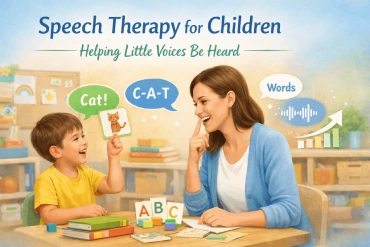
Speech therapy plays a crucial role in helping children overcome these challenges and develop strong communication abilities. Through structured techniques, targeted exercises, and individualized support, speech therapy can significantly improve a child’s ability to speak, understand language, and interact socially.
Childrens Intensive Therapy NW offers specialized therapy services designed to help children with communication challenges strengthen their speech and language skills. In this article, we will explore how speech therapy works, the signs that a child may benefit from it, and how these programs support communication development.
Communication development begins long before a child says their first word. Babies start learning communication skills by listening to voices, responding to sounds, and using gestures to interact with caregivers. As children grow, their communication abilities expand to include:
When children experience delays in any of these areas, speech therapy can provide the tools and guidance needed to support their development.
Programs such as speech therapy in Portland OR help children build these skills through structured activities that encourage communication in a supportive environment.
Speech therapy is a specialized form of therapy that focuses on improving speech, language, and communication skills. Speech-language pathologists (SLPs) are trained professionals who assess and treat children with communication challenges.
Speech therapy may address a variety of areas, including:
At Childrens Intensive Therapy NW, therapists create personalized treatment plans tailored to each child’s unique needs and developmental goals.
Many factors can affect a child’s ability to communicate. Some children experience speech delays, while others may struggle with language comprehension or articulation.
Speech therapy can help children who experience:
Families seeking speech therapy in Portland OR often do so when they notice their child struggling to communicate effectively with others.
Speech therapy uses a variety of techniques designed to help children strengthen their communication abilities. These methods focus on developing both speech production and language comprehension.
Let’s explore some of the key ways speech therapy supports communication development.
Some children have difficulty pronouncing certain sounds or words, which can make their speech difficult to understand. Speech therapists work with children to improve articulation by teaching them how to correctly position their lips, tongue, and jaw when producing sounds.
Therapy activities may include:
Over time, these exercises help children speak more clearly and confidently.
Vocabulary development is a critical part of communication. Children need a wide range of words to express their thoughts and interact with others.
Speech therapy helps expand vocabulary through:
These techniques encourage children to learn new words and use them appropriately in sentences.
At Childrens Intensive Therapy NW, therapists often incorporate play-based learning to make language development engaging and enjoyable.
Communication involves not only speaking but also understanding what others say. Some children may struggle to follow directions or understand questions.
Speech therapy helps improve comprehension skills by teaching children how to:
These skills are essential for success in school and social environments.
Programs offering speech therapy in Portland OR often focus on both expressive and receptive language skills to ensure balanced communication development.
Communication is not just about speaking; it also involves interacting with others in social situations. Social communication skills help children participate in conversations, share ideas, and understand social cues.
Speech therapy helps children develop these abilities by teaching them how to:
These skills help children build friendships and feel more comfortable in social settings.
Some children experience fluency disorders such as stuttering, which can interrupt the natural flow of speech. Speech therapy provides strategies that help children speak more smoothly and confidently.
Therapists may teach techniques such as:
These strategies help children gain greater control over their speech patterns.
Speech therapy can also address feeding and oral motor difficulties. Some children struggle with chewing, swallowing, or coordinating the muscles used for eating.
Therapists work on strengthening oral muscles and improving coordination through specialized exercises and feeding strategies.
These interventions help children eat safely and comfortably while developing stronger oral motor control.
Early intervention plays a critical role in improving communication development. The earlier speech challenges are addressed, the easier it is for children to develop strong language skills.
During early childhood, the brain is highly adaptable and capable of forming new neural connections. Speech therapy takes advantage of this natural process by providing repeated practice and consistent learning opportunities.
At Childrens Intensive Therapy NW, therapy programs are designed to support children from infancy through young adulthood, ensuring ongoing support as they grow and develop.
Speech therapy can help children with a wide range of developmental and medical conditions.
These conditions may include:
Children with these conditions may benefit from specialized therapy programs such as speech therapy in Portland OR, which focus on improving communication skills and overall development.
Speech therapy sessions are designed to be interactive and engaging for children. Therapists use a variety of activities to keep children motivated while working on communication skills.
Sessions may include:
These activities help children practice communication in a fun and supportive environment.
At Childrens Intensive Therapy NW, therapists customize each session based on the child’s interests and developmental needs.
Parents and caregivers play a vital role in supporting a child’s speech development. When families reinforce therapy techniques at home, children often make faster progress.
Therapists may provide guidance on how to:
This collaborative approach ensures that communication development continues beyond therapy sessions.
Speech therapy provides numerous benefits that extend beyond communication skills.
Children who participate in therapy often experience:
These improvements help children succeed in school, build relationships, and express themselves more effectively.
Families often choose Childrens Intensive Therapy NW because of the clinic’s commitment to individualized care and comprehensive therapy services.
The clinic offers a multidisciplinary approach that includes:
This integrated approach ensures that children receive the support they need across multiple areas of development.
Parents should consider seeking professional help if they notice their child:
Consulting a speech-language professional early can help identify the best strategies for supporting the child’s communication development.
Families exploring speech therapy in Portland OR often find that early support leads to significant improvements in their child’s communication skills.
Speech therapy plays an essential role in helping children develop strong communication skills that support their overall growth and success. By improving speech clarity, expanding vocabulary, strengthening comprehension, and enhancing social communication, therapy empowers children to express themselves confidently.
Through personalized therapy programs, engaging activities, and consistent practice, Childrens Intensive Therapy NW helps children overcome communication challenges and reach important developmental milestones.
For families seeking specialized support such as speech therapy in Portland OR, early intervention and expert guidance can make a lasting difference in a child’s ability to communicate, connect, and thrive in everyday life.