Contact Us
Mon - Fri 8:00 - 6:30
Contact Us
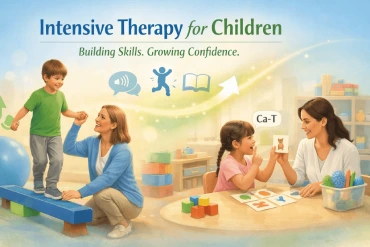
Children grow and develop at different rates, but sometimes certain developmental skills require extra support. When a child faces challenges with movement, communication, sensory processing, or learning everyday activities, specialized therapy can play a vital role in helping them reach their full potential. Intensive therapy programs are designed to accelerate progress by using structured, consistent, and personalized treatment methods.
Childrens Intensive Therapy NW focuses on helping children with disabilities or developmental challenges build essential skills through targeted therapeutic programs. By combining advanced techniques with compassionate care, intensive therapy helps children improve physical abilities, communication, coordination, and independence.
In this blog, we will explore how intensive therapy works, the developmental areas it improves, and why many families consider it an effective option for supporting their child’s growth.
Intensive therapy is a specialized approach that involves frequent, structured therapy sessions over a shorter period of time compared to traditional therapy models. Instead of attending therapy once or twice per week, children may participate in multiple sessions per week or even daily sessions for a certain period.
The goal is to take advantage of the brain’s natural ability to learn and adapt through repetition and focused practice. This concept is known as neural plasticity, which refers to the brain’s ability to form new connections and pathways when it repeatedly practices a skill.
Programs offered by Childrens Intensive Therapy NW are designed to harness this powerful process. Through consistent therapy sessions, children receive repeated opportunities to practice movements, communication, and cognitive tasks that help them strengthen developmental abilities.
Early intervention plays a critical role in helping children overcome developmental delays. During the early years of life, a child’s brain is highly adaptable, making it easier to learn new skills and compensate for challenges.
When therapy begins early, children can:
Parents often notice improvements in their child’s development faster when therapy is consistent and targeted. Programs such as pediatric therapy in Portland OR offer families access to specialized services that address developmental challenges at an early stage.
Intensive therapy programs focus on several key developmental areas. These areas work together to help children function better in daily life, school, and social environments.
Gross motor skills involve large body movements such as walking, sitting, crawling, balancing, and jumping. Children with developmental delays or conditions like cerebral palsy may struggle with these movements.
Intensive therapy helps strengthen muscles and coordination through repetitive exercises and structured movement activities. Over time, children may gain improved balance, posture, and mobility.
For example, a child who initially requires a walker may gradually develop the strength and stability needed to transition to crutches or even independent walking.
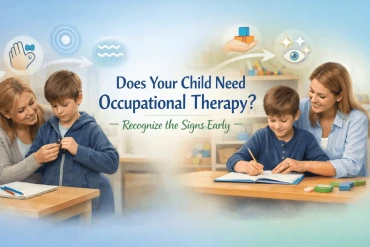
Fine motor skills involve smaller, more precise movements using the hands and fingers. These skills are necessary for tasks such as writing, buttoning clothing, using utensils, and playing with toys.
Occupational therapy sessions within intensive programs focus on improving:
Through consistent practice, children can improve their ability to perform everyday tasks more independently.
Speech and language development are essential for social interaction and learning. Some children may have difficulty expressing themselves, understanding language, or forming clear speech sounds.
Speech therapy within intensive programs works on:
Children who receive consistent therapy sessions often show significant progress in their ability to communicate with parents, teachers, and peers.
Many children with developmental challenges experience sensory processing difficulties. They may be overly sensitive to sounds, textures, lights, or movement.
Sensory integration therapy helps children learn how to process sensory input more effectively. Therapists create activities that gradually expose children to different sensory experiences in a safe and controlled way.
This approach helps children:
Families seeking pediatric therapy in Portland OR often find sensory integration therapy beneficial for children with autism spectrum disorders or sensory processing issues.
Balance and coordination are important for activities such as walking, running, climbing, and playing sports. Children with developmental delays may struggle with these skills, which can affect their confidence and participation in physical activities.
Intensive therapy programs use exercises that strengthen core muscles and improve body awareness. Over time, children develop better control over their movements and gain confidence in physical activities.
Many children with developmental or medical conditions benefit from intensive therapy programs. These programs are tailored to meet each child’s specific needs and goals.
Common conditions that can benefit include:
At Childrens Intensive Therapy NW, therapists create individualized treatment plans that focus on improving each child’s strengths while addressing specific challenges.
One of the key principles of intensive therapy is repetition. When children repeatedly practice a movement or skill, the brain gradually strengthens the neural pathways responsible for that action.
For example:
This repetition helps children retain skills more effectively and apply them in real-life situations.
Intensive therapy offers several advantages compared to traditional therapy models.
Because therapy sessions occur more frequently, children have more opportunities to practice and reinforce skills. Many families notice faster improvements compared to weekly therapy sessions.
Each therapy program is customized to meet the child’s specific developmental needs, goals, and abilities.
As children gain new skills, they often feel more confident and motivated to participate in activities at home, school, and in social settings.
Consistent therapy can lead to lasting improvements in mobility, communication, and independence.
Families seeking pediatric therapy in Portland OR often choose intensive therapy programs to accelerate their child’s developmental progress.
Intensive therapy programs often involve a team of specialists working together to support a child’s development. This team may include:
By addressing multiple aspects of development simultaneously, children receive comprehensive care that supports their physical, cognitive, and emotional growth.
At Childrens Intensive Therapy NW, therapists collaborate to create a coordinated treatment plan that helps children achieve meaningful progress.
Parents and caregivers play an essential role in a child’s therapy journey. When families are actively involved, children are more likely to continue practicing their skills outside of therapy sessions.
Therapists often provide parents with:
This collaborative approach ensures that therapy continues beyond the clinic and becomes part of the child’s everyday life.
Many children experience remarkable improvements through intensive therapy programs. Some examples include:
These achievements can significantly improve a child’s quality of life and independence.
Families seeking specialized therapy services often choose Childrens Intensive Therapy NW because of its commitment to individualized care and innovative treatment methods.
The clinic provides:
By focusing on repetition, neural plasticity, and personalized care, the team helps children develop skills that support long-term success.
Parents may want to explore intensive therapy if they notice:
Early evaluation and intervention can help identify the most effective treatment options for a child’s unique needs.
Programs like pediatric therapy in Portland OR provide families with access to specialized services that support children’s developmental growth.
Intensive therapy can make a profound difference in the lives of children with developmental challenges. By combining consistent practice, personalized treatment, and expert guidance, these programs help children build essential skills that support independence and confidence.
Through structured therapy sessions and a multidisciplinary approach, Childrens Intensive Therapy NW helps children improve mobility, communication, sensory processing, and everyday functioning. The focus on neural plasticity and repetition allows children to strengthen their abilities and reach new developmental milestones.
For families seeking effective support options such as pediatric therapy in Portland OR, intensive therapy programs offer a powerful pathway toward helping children achieve their full potential. With the right guidance, encouragement, and therapy plan, children can continue to grow, learn, and thrive in every stage of life.